
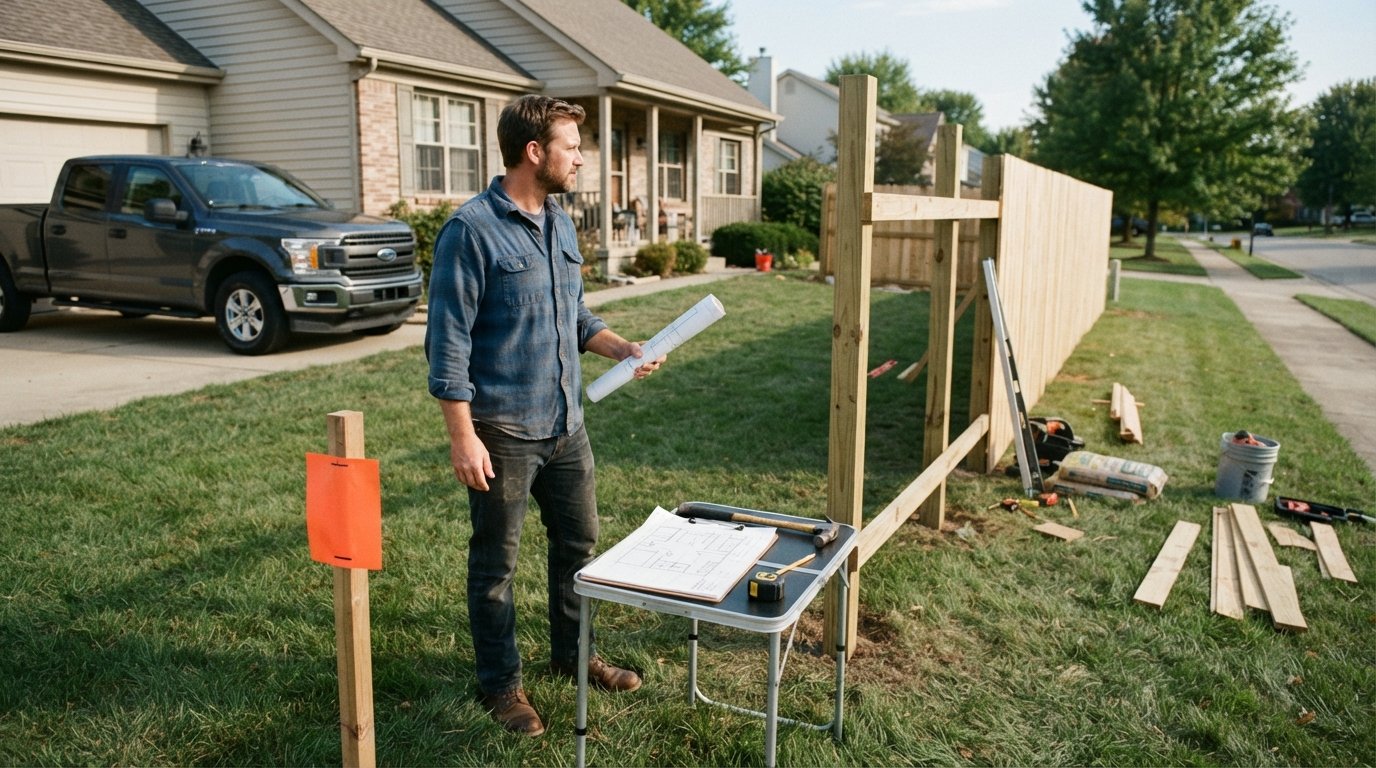
Zoning Laws and Property Use for Homeowners Explained
Zoning laws and property use for homeowners explained: understand rules, permits, and variances before you build. Call (833)-248-4565 for guidance.

By Valerie Owens
You bought your home because it felt like yours: your yard, your walls, your rules. Then you tried to build a fence, rent out a basement room, or open a home baking business, and the city had something to say about it. That something is zoning, and it shapes nearly everything you can legally do with your property. Understanding zoning laws and property use for homeowners explained in plain language helps you avoid fines, permit denials, neighbor disputes, and expensive reversals after you have already spent money on a project.
Zoning is local law that divides a city or county into districts and dictates what can happen on the land in each one. It covers whether you can run a business from home, how tall your fence can be, where you can park a trailer, and how many unrelated people may share a house. Because rules vary dramatically from one city to the next, there is no single national standard. The practical takeaway is simple: before you build, rent, or remodel, confirm what your specific district allows.
What Zoning Actually Controls on Your Property
Most homeowners think zoning is only about big commercial buildings versus houses. In reality, zoning ordinances reach into everyday decisions. A typical code regulates land use categories (residential, commercial, industrial, mixed use, agricultural) and then layers detailed standards on top of each category. Those standards decide how your property can look and function.
Setbacks are a common example. A front setback of 25 feet means your house must sit at least 25 feet back from the front property line. Build a porch that creeps into that space, and you may be forced to tear it down or seek a variance. Similarly, lot coverage rules limit how much of your lot can be covered by structures, which directly affects whether you can add a detached garage or a large shed.
Here are the property features zoning most often governs for a typical homeowner:
- Allowed uses: whether you can operate a business, keep chickens, or run a short term rental
- Building height and number of stories
- Setbacks from front, side, and rear property lines
- Lot size, lot width, and minimum square footage for dwellings
- Parking requirements, driveway width, and where vehicles may be stored
- Signage, fences, accessory structures, and home occupation limits
These rules exist to keep incompatible uses apart, protect property values, and manage traffic, noise, and infrastructure. That does not mean every rule feels fair. A homeowner who wants to add a mother in law suite may discover the lot is already at its maximum coverage, even though the structure would be small. This is why checking the code early, before design or demolition, saves both money and frustration.
Reading Your Local Zoning Code Without a Law Degree
Every municipality publishes its zoning ordinance, usually on the city or county website, and pairs it with a zoning map. Start by finding your property on the map to identify your district, such as R-1 (single family), R-2 (two family), or MU (mixed use). Then open the code section for that district and read the permitted uses and dimensional standards.
Three documents matter most: the zoning map, the text of the ordinance, and any overlay districts. Overlays add extra rules on top of the base zone, often for floodplains, historic districts, or corridors near highways. A property can be R-1 but sit inside a historic overlay that restricts exterior changes. Missing the overlay is one of the most common homeowner mistakes.
If the code language is dense, call the planning or zoning office and ask two questions: what uses are permitted in my district, and what permits do I need for my specific project. Staff can explain the process, though they cannot give you legal advice or guarantee approval. For matters involving boundary lines, easements, or disputes with a neighbor or the city, a real estate attorney can review your situation. You can find lawyers in your city and request a quote if you want professional guidance before you proceed.
Keep a written record of every conversation: who you spoke with, the date, and what they said. If a dispute arises later, documentation shows you acted in good faith.
Common Homeowner Projects and the Zoning Rules Behind Them
Different projects trigger different parts of the code, and understanding which rules apply helps you plan realistically. The table below is not a substitute for your local ordinance, but it shows the categories of regulation that typically come into play.
When you add a fence, expect height limits (often six feet in back yards, lower in front) and setback rules that may require the fence to sit inside your property line. When you build a deck or addition, setbacks, lot coverage, and height limits all apply, and you will usually need a building permit in addition to zoning approval.
Home based businesses face special scrutiny. Many codes allow a limited home occupation, such as an office or studio, if it does not generate traffic, noise, or visible signage. A bakery with daily customers is treated very differently from a freelance design practice. Short term rentals are another flashpoint: some cities allow them outright, some require a license, and some prohibit them in residential zones entirely.
Accessory dwelling units (ADUs) have become a major topic as housing costs rise. Rules vary widely: some jurisdictions permit them by right, others require a conditional use permit, and many cap their size or require an owner to live on site. Before you convert a garage, confirm both the zoning allowance and the building code requirements, because passing one does not guarantee passing the other.
When Your Plans Do Not Fit the Code: Variances and Conditional Uses
Not every project that conflicts with the code is dead on arrival. Zoning boards routinely grant relief when a property has a hardship or when a use is compatible with the neighborhood despite not being listed as permitted.
A variance is permission to deviate from a dimensional standard, such as a setback or height limit. To win one, you typically must show that the strict application of the rule creates an unnecessary hardship unique to your property, not a hardship you created yourself. Wanting a bigger garage for personal convenience is rarely enough. A lot that is oddly shaped because of how it was subdivided decades ago is a stronger case.
A conditional use permit (sometimes called a special exception) allows a use that the code permits only with review, such as a church, school, or group home in a residential district. The board weighs factors like traffic, parking, and impact on neighbors.
Both processes involve public hearings where neighbors can speak for or against your request. Preparation matters. Bring site plans, photos, and a clear explanation of why your request fits the neighborhood. Many homeowners hire an attorney or land use consultant for hearings, especially when opposition appears.
Nonconforming uses are a third category. If a use was legal when it started but the zoning later changed, it may be allowed to continue as a grandfathered use. However, grandfathered status often ends if you abandon the use, expand it, or rebuild after significant damage. Confirm the rules before assuming your existing use is protected.
How Zoning Affects Buying, Selling, and Renting Property
Zoning is not just a construction issue. It influences your home's value and your options as an owner. A buyer who plans to run a business, add a unit, or subdivide a lot needs to verify zoning before closing. Sellers should disclose known zoning restrictions and permit history, because undisclosed violations can derail a sale or lead to liability after closing.
If you are renting out property, zoning and local ordinances govern occupancy limits, rental licenses, and inspections in many cities. Running an unlicensed rental can result in daily fines and forced removal of tenants. For owners navigating boundary questions, easements, or disputes tied to property use, the legal issues can overlap with family law matters when property division is involved, and resources like a guide on state divorce laws residency property custody can help you understand how property interests may be affected in those situations.
Mortgage lenders and insurers also care about zoning. A property used in violation of zoning may be difficult to insure or refinance, and an unpermitted addition can complicate an appraisal. When in doubt, order a zoning verification letter from the planning department or hire a title company or attorney to confirm compliance.
Enforcement, Penalties, and Neighbor Complaints
Zoning enforcement usually starts with a complaint. A neighbor reports an unpermitted structure or a business operating in a home, and a code officer investigates. If a violation exists, the officer issues a notice with a deadline to correct it. Ignoring the notice escalates the matter to fines, liens, or court action.
Penalties vary by jurisdiction but can include daily fines, stop work orders, denial of future permits, and required removal of structures at your expense. In serious cases, the city can sue for injunctive relief. Because enforcement is often complaint driven, some violations go unnoticed for years until a sale, inspection, or dispute brings them to light.
If you receive a violation notice, do not panic, but do not ignore it. Read it carefully, note the deadline, and contact the code officer to understand exactly what is required. Options may include applying for a retroactive permit, seeking a variance, or removing the violation. An attorney can help you evaluate whether the city's interpretation is correct and negotiate a compliance plan.
Practical Steps Before You Build, Rent, or Remodel
The best protection against zoning problems is a simple habit: verify first, build second. Homeowners who follow a consistent process avoid most surprises.
- Look up your zoning district on the city or county map.
- Read the permitted uses and dimensional standards for that district.
- Check for overlay districts such as historic, floodplain, or corridor rules.
- Call the planning office and describe your project in plain terms.
- Apply for the required permits before starting any work.
- Keep copies of approvals, plans, and inspection records.
Following these steps does not guarantee approval, but it puts you in a far stronger position. It also signals good faith if a dispute arises later. When a project involves contracts, boundary lines, or significant money, a short consultation with a real estate attorney can clarify your rights and obligations. You can request a quote through a directory service to compare options without any obligation to hire.
Zoning laws and property use for homeowners explained comes down to one principle: your property rights are real, but they operate inside a framework of local rules. Those rules are public, knowable, and often negotiable through the right process. The homeowners who fare best are the ones who treat zoning as part of the planning, not an obstacle to fight after the fact. Check the code, ask questions early, document everything, and get professional help when the stakes justify it. That approach protects your investment and keeps your projects moving forward.
For more information about finding legal help with property and zoning matters, visit https://thelawyerdirectory.com/.