
What to Do After a Car Accident: Personal Injury Claim Steps
Know the key steps after a car accident personal injury claim: document evidence, meet deadlines, and negotiate with insurers to maximize your recovery.

By Isabel Moreno
A car accident can upend your day in seconds: the screech of tires, the jolt of impact, and then a flood of questions about what happens next. If you are dealing with injuries, vehicle damage, and insurance calls, the steps you take in the first days and weeks can shape the outcome of a personal injury claim. This guide walks through what to do after a car accident personal injury claim steps in plain language, from securing medical care to organizing evidence and deciding when to bring in a lawyer. The information here is educational only and is not legal advice. Every accident and every state has its own rules, so use this as a starting point and confirm specifics with a licensed attorney in your area.
Step 1: Secure Safety and Call for Help
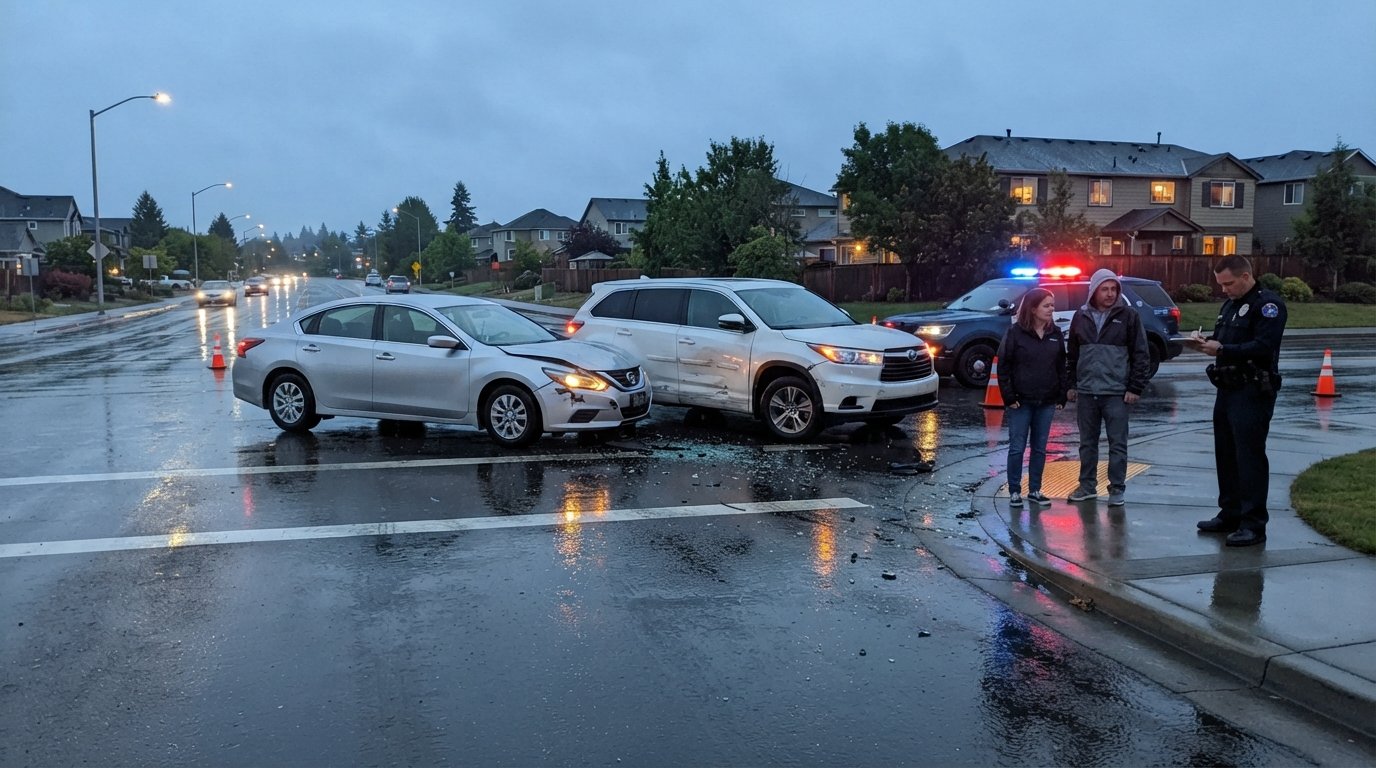
The moments right after a crash are chaotic, but safety comes first. Move to a safe location if you can, turn on hazard lights, and call 911 if anyone is injured or if the scene is hazardous. Even a low-speed collision can cause hidden injuries such as whiplash, concussions, or soft tissue damage that may not show symptoms for hours or days. When law enforcement arrives, ask how to obtain a copy of the police report. That report often includes witness statements, insurance information, and an officer's assessment of fault, all of which can become important evidence later.
While you wait, avoid discussing fault with the other driver or speculating about what happened. Apologizing, even politely, can be misinterpreted as an admission of responsibility. Instead, exchange required information: names, phone numbers, insurance carriers, policy numbers, license plate numbers, and vehicle descriptions. If there are witnesses, ask for their contact details. Photos and videos of the scene, vehicle positions, and visible injuries can be valuable, so capture them if it is safe to do so.
Once the immediate scene is handled, your next priority is your health. Seek medical attention even if you feel fine. A doctor can document injuries, recommend treatment, and connect your symptoms to the crash. That documentation becomes a foundation for any personal injury claim, because insurers and courts rely on medical records to evaluate the extent of harm.
Step 2: Report the Accident and Notify Insurers
Most states require drivers to report accidents involving injury, death, or significant property damage to the Department of Motor Vehicles or a similar agency within a certain timeframe. Failing to report can lead to fines or license issues. Separately, you should notify your own insurance company promptly. Many policies require timely notice as a condition of coverage. When you call, stick to the facts: date, time, location, vehicles involved, and a brief description of what happened. You do not need to speculate about fault or provide a recorded statement to the other driver's insurer without understanding your rights.
The other driver's insurance company may contact you quickly, sometimes within hours. These calls are often recorded, and adjusters are trained to gather information that can reduce what the insurer owes. You are generally not obligated to give a recorded statement to the other party's insurer, and you can politely decline or ask to speak with a lawyer first. If you do speak with them, keep your answers factual and avoid guessing about injuries or future medical needs.
Keep a dedicated file for your claim. Include the police report number, claim numbers, names and contact information for adjusters, and a log of every call or email with dates and summaries. This simple habit prevents details from slipping away and gives you a clear timeline if disputes arise.
Step 3: Document Everything and Track Your Losses
Evidence drives personal injury claims. From the first day, collect and preserve anything that shows what happened and how it affected you. That includes photos of vehicle damage from multiple angles, pictures of your injuries over time, repair estimates, and receipts for rental cars, rideshares, or other transportation costs. If your doctor prescribes medication, physical therapy, or specialist visits, keep those records together.
Beyond medical bills, a personal injury claim can include lost wages, reduced earning capacity, pain and suffering, and other damages. Tracking these losses as they occur makes it easier to present a complete picture later. Consider a simple system:
- A folder or cloud drive for medical records, bills, and explanations of benefits.
- A spreadsheet for dates, providers, amounts, and whether each bill was paid by insurance or out of pocket.
- A journal for symptoms, missed work, and how the injury affects daily activities.
- A contact list for witnesses, first responders, and anyone else involved.
This documentation also helps you spot gaps. For example, if you missed a week of work but never obtained a note from your employer, you can request one. If a medical provider's bill does not match the explanation of benefits, you can ask questions before the discrepancy grows.
Preserve physical evidence as well. Keep damaged property such as a cracked helmet or torn clothing if it is relevant to your injuries. Do not repair your vehicle until you have photographed the damage, unless it is unsafe to leave it unrepaired. If the other driver's insurer wants to inspect the car, coordinate through your own adjuster or attorney to ensure the inspection does not compromise your claim.
Step 4: Understand Fault, Insurance, and Deadlines
Personal injury claims usually hinge on fault and insurance coverage. Fault rules vary by state. Some states use pure comparative negligence, where your recovery is reduced by your percentage of fault. Others use modified comparative negligence, which can bar recovery if you are more than 50 percent at fault. A few states still follow contributory negligence, which can prevent recovery if you share any fault. Because these rules differ, a local attorney can explain how your state's law applies to your situation.
Insurance coverage matters just as much. The at-fault driver may have liability coverage, but that coverage may be insufficient for serious injuries. Your own policy might include uninsured or underinsured motorist coverage, medical payments coverage, or personal injury protection. These coverages can pay bills regardless of fault, but they often have notice requirements and deadlines. Review your policy or ask your adjuster to explain what is available.
Deadlines are another critical issue. The statute of limitations for personal injury claims is set by state law and can range from one to several years, with shorter deadlines for claims against government entities. Missing a deadline can permanently bar your claim. In addition, some insurance policies require notice within a specific number of days or weeks. When in doubt, contact a lawyer early to confirm the deadlines that apply to you.
Step 5: Communicate Carefully and Consider Professional Help
Communication with insurers can make or break a claim. Adjusters may seem friendly and helpful, but their job is to protect the insurer's bottom line. Be honest, but avoid informal speculation about fault, injuries, or the total value of your claim. Do not sign a release or accept a settlement until you understand the full extent of your injuries and losses. Once you sign, you typically cannot reopen the claim for more money later.
If your injuries are serious, fault is disputed, or the insurer is delaying or lowballing, it may be time to consult a personal injury lawyer. Many personal injury attorneys offer free consultations and work on a contingency fee, meaning you pay nothing upfront and they are paid a percentage of the recovery if they win. That structure can make professional help accessible even when money is tight.
To find a lawyer in your city, you can use a directory that lets you describe your situation and request a quote. For example, TheLawyerDirectory is a U.S. lawyer-directory and advertising site, not a law firm and not a lawyer referral service. People use it to find lawyers in their city and request a quote; participating attorneys may contact them, and there is no obligation to hire. That means you can compare options and ask questions without committing to representation. When you contact attorneys, ask about their experience with car accident cases, their fee structure, who will handle your case day to day, and how they communicate updates.
Choosing a lawyer is a personal decision. Some people handle minor claims on their own, while others prefer guidance for complex injuries or disputed fault. Either way, understanding the process helps you ask better questions and make informed choices.
Step 6: Build and Negotiate Your Claim
Once you have gathered records and understand the legal landscape, the claim moves into evaluation and negotiation. A demand package typically includes medical records, bills, proof of lost wages, photos, the police report, and a written summary of how the accident affected your life. The insurer responds with an offer, and negotiations may go back and forth. If a fair resolution cannot be reached, filing a lawsuit may be the next step, though many cases settle before trial.
Timing matters here. You generally want to reach maximum medical improvement, meaning your condition has stabilized, before settling. Otherwise, you may accept a settlement that does not cover future care. Your doctor can advise when you have reached that point. If you are unsure, ask your attorney how they evaluate future medical needs and lost earning capacity.
Negotiation is not just about money. It is also about certainty. A settlement provides closure and avoids the risk and delay of trial. A lawsuit preserves the right to a jury decision but can take months or years. An attorney can explain the trade-offs based on the facts of your case and the local court's pace.
Step 7: Avoid Common Mistakes That Hurt Claims
Even well-intentioned people make missteps after a crash. Being aware of common pitfalls can protect your claim. For instance, delaying medical care gives insurers an argument that you were not seriously hurt. Posting about the accident on social media can be used against you if your statements conflict with your claimed injuries. Missing deadlines, whether for the statute of limitations or insurance notice, can end a claim before it starts. Accepting a quick settlement before understanding your full injuries often leads to regret.
Another mistake is assuming the insurer will treat you fairly because you are honest. Insurance is a business, and adjusters follow guidelines designed to minimize payouts. That does not mean you should be adversarial, but it does mean you should verify information, keep records, and ask questions. If an adjuster asks for a recorded statement, you can ask whether it is required and whether you can provide a written statement instead. If they request medical authorizations, make sure they are limited in scope and time.
Finally, do not ignore your own well-being. Recovery from an accident takes time, and stress can slow it down. Lean on friends, family, and professionals for support. If you feel overwhelmed, consider talking to a lawyer or a counselor. Taking care of yourself is part of taking care of your claim.
Frequently Asked Questions About Car Accident Claims
How long do I have to file a personal injury claim?
The deadline depends on your state's statute of limitations, which can range from one to several years. Claims against government entities often have much shorter deadlines, sometimes just a few months. Because these rules are strict, it is wise to consult an attorney soon after an accident to confirm the deadline that applies to you.
Do I need a lawyer for a minor accident?
Not everyone needs a lawyer. If your injuries are minor, fault is clear, and the insurer is cooperating, you may be able to handle the claim yourself. However, if you are unsure about the value of your claim, if fault is disputed, or if you are facing significant medical bills or lost wages, a consultation with a lawyer can help you understand your options. Many offer free initial consultations and contingency fees.
What if the other driver does not have insurance?
If the at-fault driver is uninsured, you may need to rely on your own uninsured motorist coverage, if you have it. That coverage is designed for exactly this situation, but it often has specific notice and proof requirements. An attorney can help you navigate the process and pursue other potential sources of recovery.
Should I accept the first settlement offer?
Usually, no. First offers are often lower than the full value of a claim. Before accepting, make sure you understand your total medical costs, future treatment needs, and lost income. If you have not reached maximum medical improvement, settling too early can leave you paying for care that should have been covered. A lawyer can evaluate the offer and negotiate on your behalf.
Recovering from a car accident is a process, and so is a personal injury claim. By acting quickly, documenting carefully, and seeking professional guidance when needed, you can protect your rights and focus on healing. If you decide to look for a lawyer, a directory like TheLawyerDirectory can help you find local attorneys and request quotes with no obligation to hire. Take one step at a time, ask questions, and make decisions that fit your situation.