
Premises Liability: When Property Owners Are Responsible
Understand premises liability when a property owner is responsible for injuries. Call 8332484565 to find lawyers and request a quote.

By Isabel Moreno
A slip on an icy walkway. A fall through a rotting deck. An injury caused by a loose railing in a stairwell. These accidents can happen in seconds, but the medical bills, lost wages, and pain can last for months or years. When an injury occurs on someone else's property, a common question follows: who pays? The answer often depends on premises liability law, a set of legal rules that determine when a property owner is responsible for injuries that happen on their land or inside their building.
Premises liability when a property owner is responsible for injuries is not automatic. Not every accident on someone else's property means the owner must pay. The law generally looks at the owner's duty, the condition of the property, and what the owner knew or should have known. This article explains those rules in plain language, walks through common scenarios, and outlines steps to take if you or a loved one has been hurt. It also explains how to find a lawyer in your city and request a quote through a directory like TheLawyerDirectory if you decide to explore legal options.
What Premises Liability Means in Plain Language
Premises liability is the area of personal injury law that addresses injuries caused by unsafe conditions on property. The property can be residential, commercial, or public. It can be a home, an apartment building, a grocery store, a parking lot, a hotel, a restaurant, a construction site, or a government building. The person who controls the property (often the owner, but sometimes a tenant or manager) may owe a duty to keep the property reasonably safe for people who are allowed to be there.
That duty is not the same in every situation. The law typically considers the legal status of the person who was injured. Guests invited onto the property, such as customers in a store or social guests in a home, are usually owed a higher duty of care. People who are on the property for their own purposes without permission may be owed a lower duty in many states. Children may receive special protection under doctrines like the attractive nuisance rule, which can apply to swimming pools, trampolines, or other features that might draw children onto the property.
The core idea is reasonableness. A property owner is generally expected to take reasonable steps to find and fix unsafe conditions, or at least to warn visitors about dangers that are not obvious. If the owner fails to do so and someone is injured as a result, the owner may be legally responsible for the injured person's damages. Those damages can include medical expenses, lost income, pain and suffering, and other losses.
Premises liability when a property owner is responsible for injuries often turns on notice. Did the owner know about the dangerous condition? Should the owner have known? For example, a store owner who sees a spilled drink on the floor and does nothing may be responsible if a customer slips. A homeowner who has a loose step for months and never fixes it may be responsible if a visitor falls. But if a hazard appears suddenly and the owner has no realistic chance to address it, the outcome may be different.
Common Types of Premises Liability Cases
Premises liability covers a wide range of accidents. The following are some of the most common situations where a property owner may be responsible for injuries.
- Slip and fall accidents: Wet floors, icy sidewalks, uneven pavement, loose rugs, and spilled liquids are frequent causes of injuries in stores, offices, and homes.
- Trip and fall accidents: Cracked sidewalks, raised thresholds, cluttered walkways, and poor lighting can cause people to trip and fall.
- Stairway and railing failures: Broken steps, missing handrails, and inadequate lighting on stairs can lead to serious falls.
- Falling objects: Items falling from shelves, balconies, or construction sites can strike visitors and cause head injuries or other harm.
- Inadequate security: In some cases, property owners may be responsible for injuries caused by criminal acts if the owner failed to provide reasonable security in a high-crime area.
- Dog bites and animal attacks: Many states have specific laws that hold dog owners responsible when their animals bite or attack someone.
- Swimming pool accidents: Drowning, near-drowning, and diving injuries can lead to premises liability claims, especially when safety features are missing or poorly maintained.
- Elevator and escalator accidents: Malfunctioning equipment in buildings can cause serious injuries, and the responsibility may fall on the property owner or management company.
Each type of case has its own legal nuances. For example, slip and fall cases often focus on how long a hazard existed and whether the owner had a reasonable inspection system in place. Dog bite cases may follow strict liability rules in some states, meaning the owner is responsible even if the dog had never bitten anyone before. Inadequate security cases often require evidence of prior crimes on or near the property.
Because the rules vary by state and by situation, it is important to speak with a lawyer who understands local law. A lawyer can review the facts, identify the legal theories that apply, and explain the strengths and weaknesses of a potential claim. If you are not sure where to start, you can use a U.S. lawyer directory to find attorneys in your city and request a quote. Participating attorneys may contact you, and there is no obligation to hire.
When Is a Property Owner Legally Responsible?
To hold a property owner responsible for injuries, an injured person generally must prove several elements. The exact requirements vary by state, but the following framework is common.
- Duty: The property owner owed a duty of care to the injured person. This often depends on the person's legal status on the property (for example, invited guest, customer, or trespasser).
- Breach: The owner failed to meet that duty. This could mean failing to fix a known hazard, failing to warn about a danger, or failing to inspect the property for unsafe conditions.
- Causation: The owner's breach caused the injury. In other words, the unsafe condition led directly to the accident and the harm.
- Damages: The injured person suffered actual losses, such as medical bills, lost wages, or pain and suffering.
Notice is often the central battleground in premises liability cases. There are two main types of notice: actual notice and constructive notice. Actual notice means the owner knew about the hazard. For example, a store manager might have received a report about a leaky ceiling but did nothing. Constructive notice means the owner should have known about the hazard because it existed for a long enough time that a reasonable inspection would have discovered it. A banana peel on the floor for two minutes may not create constructive notice, but a broken sidewalk that has been cracked for months likely would.
Some states also apply comparative fault rules. This means that if the injured person was partly at fault, their recovery may be reduced by their percentage of fault. In a few states, being even slightly at fault can bar recovery entirely. A lawyer can explain how these rules apply in your state and how they might affect a claim.
Property owners may also raise defenses. They might argue that the danger was open and obvious, that the injured person was trespassing, or that the injured person assumed the risk of the activity. For example, if a sign clearly warns of a wet floor and a person chooses to run through the area anyway, the owner may argue that the danger was obvious. These defenses can significantly affect the outcome of a case.
Special Rules for Different Types of Visitors
The legal duty a property owner owes often depends on why the injured person was on the property. The following categories are commonly used in premises liability law, though some states have modified or abandoned them.
- Invitees: People invited onto the property for business purposes, such as customers in a store or clients in an office. Owners generally owe the highest duty of care to invitees, including a duty to inspect for hazards and make the property reasonably safe.
- Licensees: Social guests and others who are allowed on the property for non-business reasons. Owners typically must warn licensees about known dangers but may not have a duty to inspect for unknown hazards.
- Trespassers: People who enter the property without permission. Owners generally owe a minimal duty, such as avoiding willful or wanton harm. However, children may be treated differently under the attractive nuisance doctrine.
These categories can be complicated, and some states have moved toward a more general reasonableness standard. In practice, the key question is often what a reasonable property owner would have done in the same situation. Would a reasonable owner have fixed the broken step? Would a reasonable owner have warned about the wet floor? Would a reasonable owner have installed better lighting in a dark parking lot?
If you were injured on someone else's property, your status at the time of the accident matters. Were you a customer, a guest, or someone who was not supposed to be there? The answer can shape the legal claim. A lawyer can help you understand how your state's rules apply to your specific situation.
Steps to Take After an Injury on Someone Else's Property
What you do in the hours and days after an injury can affect your ability to recover compensation. The following steps can help protect your health and your legal rights.
- Seek medical attention: Your health comes first. Even if you think the injury is minor, see a doctor. Some injuries, such as concussions or internal bleeding, may not show symptoms right away. Medical records also create a record of your injuries.
- Report the incident: Tell the property owner, manager, or a responsible employee what happened. Ask for a written report if possible. If the injury happened in a store or business, request a copy of the incident report.
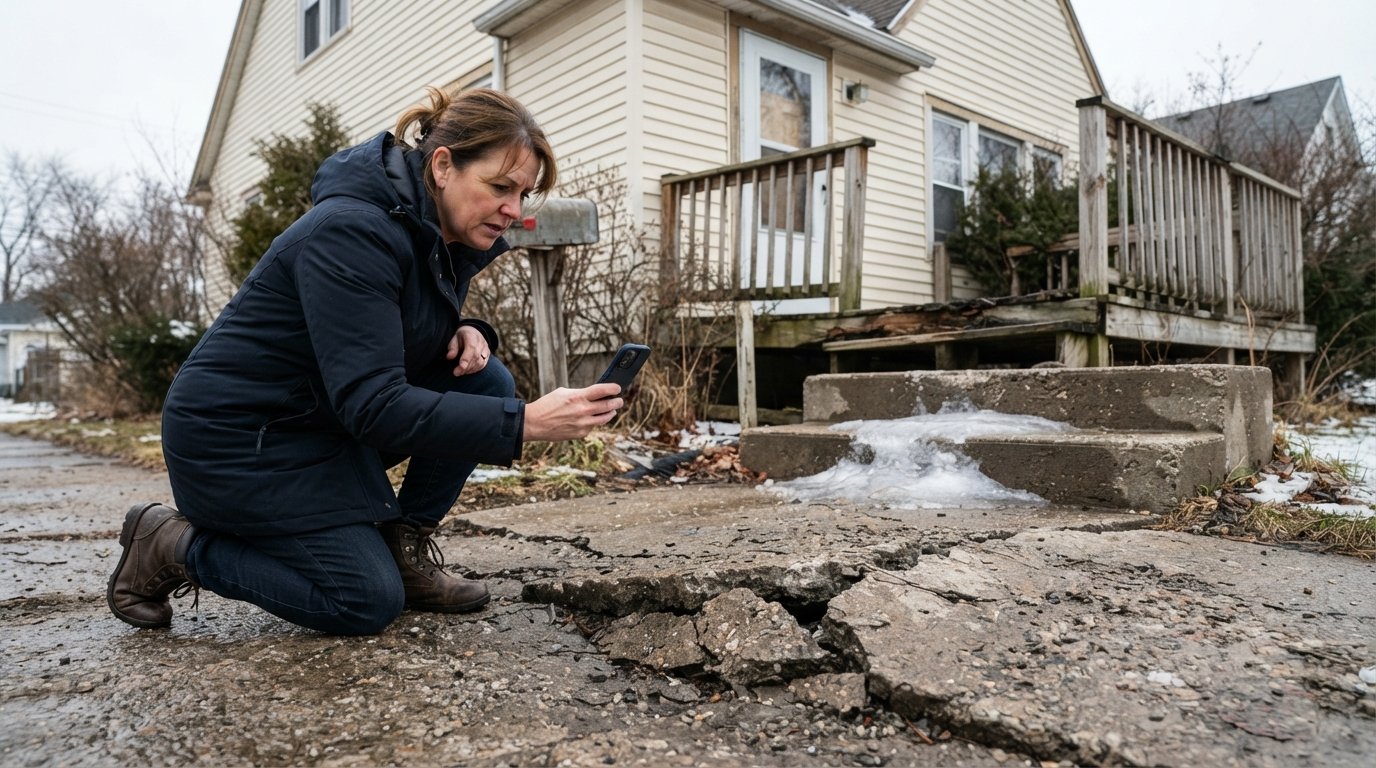
- Document the scene: Take photos and videos of the hazard, the surrounding area, and your injuries. Note the date, time, and location. If there were witnesses, ask for their names and contact information.
- Preserve evidence: Keep the shoes and clothing you were wearing. Do not repair or alter anything related to the accident. If the hazard is something like a broken step, try to get a photo before it is fixed.
- Keep records: Save medical bills, receipts, and any correspondence with insurance companies. Write down what you remember about the accident while it is fresh in your mind.
- Be careful with insurance adjusters: Insurance companies may contact you soon after the accident. You are not required to give a recorded statement or accept a settlement offer without consulting a lawyer. What you say can be used against you later.
- Consult a lawyer: A personal injury lawyer can evaluate your case, explain your options, and help you decide whether to pursue a claim. Many lawyers offer free consultations and work on a contingency fee basis, meaning you pay nothing upfront and only pay if they recover money for you.
If you decide to look for a lawyer, you can use a directory to find attorneys in your city who handle premises liability cases. You can describe your situation and request a quote. Participating attorneys may contact you, and there is no obligation to hire. This can be a convenient way to compare options and get initial information before making a decision.
How to Find a Premises Liability Lawyer and Request a Quote
Finding the right lawyer can feel overwhelming, especially when you are recovering from an injury. A structured approach can make the process more manageable.
Start by identifying your needs. Premises liability cases can involve different types of properties and legal issues. Some lawyers focus on slip and fall accidents in commercial settings, while others handle dog bites, swimming pool accidents, or inadequate security claims. Look for attorneys who have experience with the specific type of accident you experienced.
Next, gather information about your case. Write down what happened, when it happened, where it happened, and who was involved. Collect any photos, medical records, and incident reports you have. This information will help lawyers evaluate your situation quickly.
Then, use a lawyer directory to find attorneys in your area. You can search by city and practice area, read basic information about participating lawyers, and submit a request for a quote. The directory is not a law firm and does not provide legal advice, but it can connect you with attorneys who advertise their services. After you submit a request, participating attorneys may contact you to discuss your case. You are not obligated to hire any of them.
When you speak with lawyers, ask questions. What is your experience with premises liability cases? How do you handle fees? What is your initial assessment of my case? What are the next steps? A good lawyer will answer your questions clearly and help you understand your options. Do not feel pressured to make a decision immediately. Take your time and choose a lawyer you trust.
If you are not ready to hire a lawyer, you can still use the directory to gather information. Many people find it helpful to speak with more than one attorney before deciding. The goal is to find someone who understands your situation and can guide you through the legal process.
What Compensation May Be Available
If a property owner is found responsible for your injuries, you may be able to recover compensation for a range of losses. The exact amount depends on the facts of your case, the severity of your injuries, and the laws of your state.
- Medical expenses: This includes hospital bills, doctor visits, physical therapy, prescription medications, and future medical care if your injuries require ongoing treatment.
- Lost wages: If you missed work because of your injury, you may be able to recover the income you lost. If your injury affects your ability to work in the future, you may also be able to recover lost earning capacity.
- Pain and suffering: This is compensation for the physical pain and emotional distress caused by the injury. It is often difficult to quantify, but it can be a significant part of a claim.
- Property damage: If personal property, such as a phone, glasses, or clothing, was damaged in the accident, you may be able to recover the cost of repair or replacement.
- Other losses: Depending on the circumstances, you may be able to recover for loss of enjoyment of life, disfigurement, or other harms.
In some cases, punitive damages may be available if the property owner's conduct was especially reckless or intentional. However, punitive damages are rare in premises liability cases and are subject to specific legal standards.
Insurance companies often try to minimize payouts. They may argue that the injury was not serious, that the hazard was open and obvious, or that you were partly at fault. A lawyer can help you negotiate with insurers and, if necessary, take your case to court. Having legal representation can make a significant difference in the outcome.
Why Acting Quickly Matters
Premises liability claims are subject to statutes of limitations, which are deadlines for filing lawsuits. These deadlines vary by state and by the type of claim. In many states, the deadline for personal injury claims is two or three years from the date of the injury. However, some states have shorter deadlines, especially for claims against government entities. If you miss the deadline, you may lose your right to recover compensation.
Evidence can also disappear over time. Surveillance footage may be overwritten. Witnesses may forget details or move away. Hazardous conditions may be repaired, making it harder to prove what caused the accident. The sooner you act, the better your chances of preserving important evidence.
Even if you are unsure whether you have a valid claim, it is worth speaking with a lawyer. Many lawyers offer free consultations and will give you an honest assessment of your case. There is no obligation to hire, and you can get answers to your questions without committing to anything.
If you decide to move forward, a lawyer can handle the legal process for you. This includes investigating the accident, gathering evidence, negotiating with insurance companies, and representing you in court if necessary. Having a lawyer on your side can give you peace of mind and allow you to focus on your recovery.
Premises liability when a property owner is responsible for injuries is a complex area of law. The outcome of each case depends on the specific facts, the state's laws, and the quality of the evidence. If you have been injured on someone else's property, consider speaking with a lawyer who can evaluate your situation and explain your options. You can start by using a lawyer directory to find attorneys in your city and request a quote. Participating attorneys may contact you, and there is no obligation to hire. Taking that first step can help you understand your rights and make informed decisions about your future.