
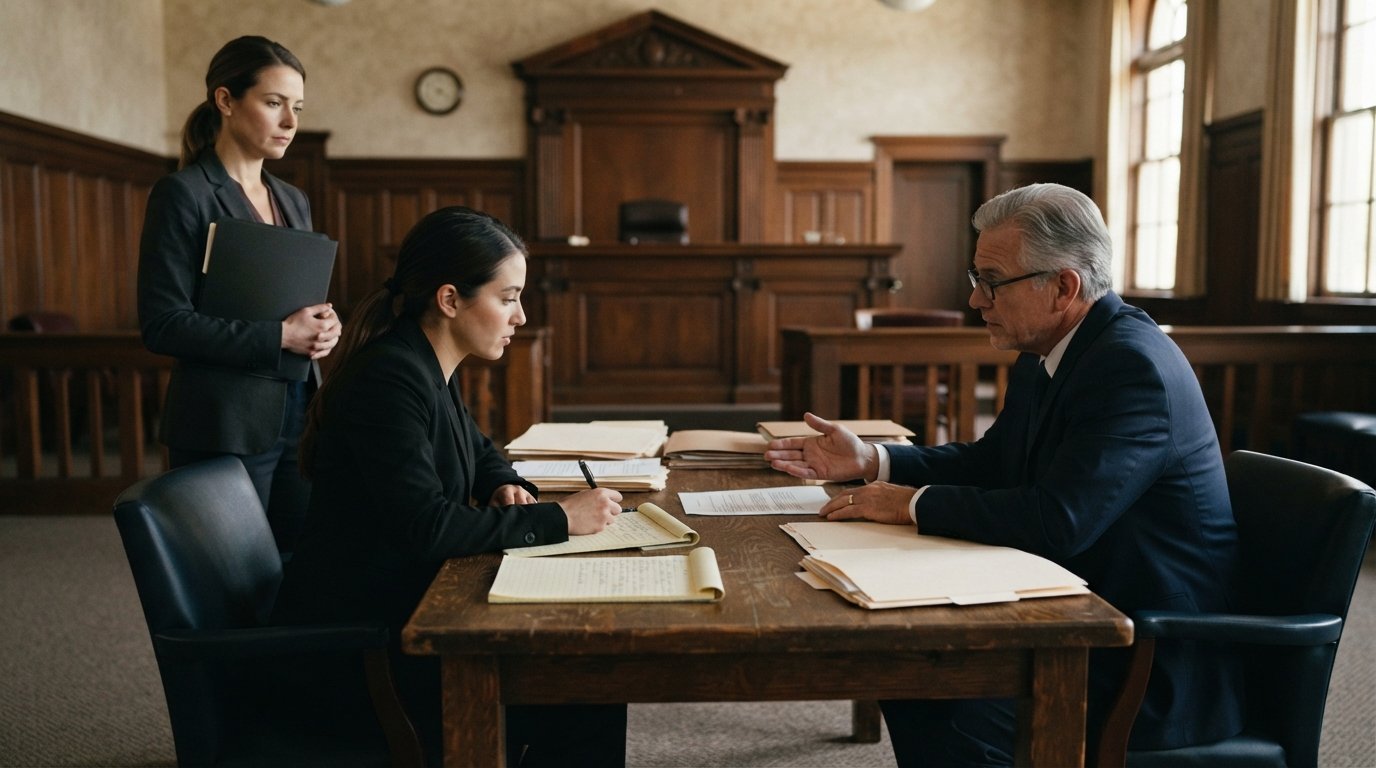
Plea Bargaining Process in a Criminal Case Explained
Understand the plea bargaining process in a criminal case explained step by step. Call 8332484565 for guidance on your legal options.

By Thomas Ridley
Most criminal cases in the United States never reach a jury. They end with a negotiated agreement between the prosecution and the defense, a practice known as plea bargaining. If you or someone you care about is facing criminal charges, understanding how this process works can help you ask better questions, evaluate your options, and work more effectively with a defense attorney. This guide walks through the plea bargaining process in a criminal case explained step by step, from the first offer to the final sentencing hearing.
A plea bargain is an agreement in which a defendant agrees to plead guilty (or sometimes no contest) to one or more charges, usually in exchange for concessions from the prosecutor. Those concessions might include reducing charges, dropping other counts, recommending a lighter sentence, or agreeing not to pursue certain enhancements. The judge must approve the final agreement, so a plea deal is not automatically binding until it is accepted in court.
What Is Plea Bargaining and Why Does It Dominate Criminal Cases
Plea bargaining exists because criminal courts handle enormous caseloads. If every case went to trial, the system would grind to a halt. Prosecutors use plea deals to secure convictions efficiently, defense attorneys use them to limit exposure to harsh penalties, and judges use them to move dockets forward. According to widely cited research, the vast majority of state and federal criminal convictions come from guilty pleas rather than trials.
For a defendant, the decision to accept or reject a plea offer is rarely simple. A bargain may mean pleading guilty to a lesser charge, avoiding a mandatory minimum, or receiving a sentence recommendation that keeps you out of prison. At the same time, pleading guilty means giving up core constitutional rights, including the right to a jury trial, the right to confront witnesses, and the privilege against self incrimination. That is why any plea decision should be made only after consulting a qualified criminal defense lawyer who knows your local court, the prosecutor, and the specific facts of your case.
It also helps to understand that plea bargaining is not a single event. It is a process that can unfold over weeks or months, with multiple offers and counteroffers. Early in a case, the prosecution may offer a relatively harsh deal. As evidence is exchanged and motions are filed, the terms may shift. Defense counsel may negotiate for a better charge, a shorter sentence, or alternative sentencing options such as diversion programs, treatment courts, or probation.
The Main Types of Plea Bargains
Not all plea agreements look the same. Depending on your jurisdiction and the nature of the charges, you may encounter one or more of the following structures. Each carries different risks and benefits, and the right choice depends on the evidence, your criminal history, and your personal priorities.
- Charge bargaining: The defendant pleads guilty to a less serious offense, or the prosecutor dismisses some counts in exchange for a plea on others. For example, a felony charge might be reduced to a misdemeanor.
- Sentence bargaining: The defendant pleads guilty in exchange for a specific sentence recommendation or an agreement not to seek certain enhancements. The judge usually decides whether to follow the recommendation.
- Fact bargaining: The parties agree on which facts the defendant will admit, which can affect sentencing guidelines or future consequences. This type is less common and sometimes restricted.
- Count bargaining: The defendant pleads guilty to one or more counts while the prosecutor dismisses the remaining counts. This can reduce overall exposure significantly.
In practice, many deals combine elements of these categories. A single agreement might reduce a charge, dismiss several counts, and include a sentencing recommendation. Your attorney will typically evaluate which structure offers the best realistic outcome given the strength of the prosecution's evidence and any legal issues that could be raised at trial.
It is also important to know that some jurisdictions place limits on plea bargaining. For example, certain states restrict charge bargaining for repeat offenders or for specific offenses like DUI. Federal prosecutors operate under their own guidelines, which can influence what they are willing to offer. Local rules matter, which is one reason why hiring a lawyer who practices in your courthouse is so valuable.
How the Plea Bargaining Process Unfolds Step by Step
The plea bargaining process usually begins soon after arraignment, though the timing varies. In some courts, prosecutors extend a preliminary offer at the first appearance. In others, negotiations start only after the defense receives discovery, which is the evidence the prosecution intends to use. Understanding the sequence can help you anticipate what comes next.
- Arraignment and initial appearance: The defendant is formally charged and enters a plea (usually not guilty at this stage). A defense attorney is appointed or retained.
- Discovery and investigation: The defense reviews police reports, witness statements, lab results, and any video evidence. The attorney may file motions to suppress evidence or dismiss charges.
- Negotiation: The prosecutor and defense counsel discuss possible resolutions. Offers and counteroffers are exchanged, often by phone or email, and sometimes in person at the courthouse.
- Plea offer review: The defense attorney explains the offer to the client, including the charges, the recommended sentence, and the collateral consequences (such as immigration status, professional licenses, or gun rights).
- Plea hearing: If the defendant accepts, the judge conducts a plea colloquy to confirm the plea is knowing, voluntary, and supported by a factual basis. The judge may accept or reject the agreement.
- Sentencing: In some courts, sentencing happens immediately. In others, a separate hearing is scheduled, sometimes after a presentence investigation report.
Each of these steps involves judgment calls. For example, if the defense files a strong motion to suppress a confession, the prosecutor may soften the offer. If the evidence is overwhelming, the defense may focus on mitigating factors to secure a more lenient sentence. A skilled attorney knows how to use each stage of the process to improve leverage.
It is also worth noting that plea negotiations can continue even after a trial begins. In rare cases, a defendant may plead guilty mid trial if the evidence unfolds differently than expected. However, most negotiations conclude well before trial, and many courts set plea cut off dates to manage their calendars. Missing a deadline can eliminate the chance to accept a favorable offer.
What Happens at a Plea Hearing
Once a defendant decides to accept a plea offer, the case moves to a plea hearing. This is a formal court proceeding where the judge ensures the plea meets legal standards. The exact script varies by jurisdiction, but several core elements are nearly universal.
First, the judge will confirm the defendant's identity and ask whether any promises or threats were made to induce the plea. The judge will also explain the rights being waived, including the right to a trial, the right to remain silent, and the right to appeal certain issues. Then the prosecutor will summarize the evidence and the factual basis for the plea. The defendant will be asked to admit to specific facts or to acknowledge that the evidence would likely support a conviction.
After the colloquy, the judge either accepts the plea, rejects it, or defers a decision until after reviewing a presentence report. If the judge rejects the agreement, the defendant may be allowed to withdraw the plea. This is one reason why a plea deal is never fully guaranteed until the judge signs off. It is also why defendants should never assume that a prosecutor's recommendation will automatically become the sentence.
In some cases, the judge will order a presentence investigation, which is a background report prepared by probation officers. The report includes criminal history, employment information, and sometimes victim impact statements. Both sides can object to portions of the report, and the final sentence may depend heavily on its contents. Having an attorney who understands how to present mitigating information can make a meaningful difference at this stage.
Key Considerations Before Accepting a Plea Deal
Accepting a plea is a serious decision with long lasting consequences. Before saying yes, you should weigh several factors with your attorney. The strength of the prosecution's case is only one piece of the puzzle. You also need to consider the direct and collateral consequences of a conviction.
Collateral consequences are penalties that flow from a criminal conviction but are not part of the sentence itself. They can include loss of voting rights, difficulty finding housing or employment, deportation or immigration consequences, loss of professional licenses, and restrictions on owning firearms. In some cases, these consequences are more damaging than the actual sentence. A knowledgeable defense lawyer will review these issues with you before you decide.
You should also understand the difference between a plea offer and a sentence recommendation. In many jurisdictions, the prosecutor agrees to recommend a certain sentence, but the judge is free to impose something different. If the judge imposes a harsher sentence than expected, you may not be able to withdraw your plea. Your attorney should explain exactly what the agreement does and does not guarantee.
Finally, consider the alternatives. Is there a diversion program, drug court, or mental health court that might lead to dismissal? Could a pretrial motion lead to suppression of key evidence? Is there a viable trial defense? These questions require a candid assessment of the evidence and the law. If you are unsure where to start, you can find lawyers in your city and request a quote through a directory that connects people with participating attorneys. There is no obligation to hire, and you can compare responses before making a decision.
The Role of the Defense Attorney in Plea Negotiations
A defense attorney's job is not simply to relay offers. Good defense counsel investigates the case, identifies legal issues, and negotiates from a position of knowledge. That work often begins before any plea offer is made. The attorney may interview witnesses, visit the scene, review body camera footage, and consult experts. Each piece of information can change the prosecutor's calculus.
Defense attorneys also help clients understand the risks of going to trial. Trials are unpredictable. A defendant who rejects a favorable plea may face a much harsher sentence if convicted on all counts. On the other hand, a defendant who accepts a plea may later discover that the deal was worse than the likely trial outcome. This is why the attorney client relationship is so important: the client makes the final decision, but the attorney provides the information needed to make an informed choice.
If you are searching for representation, look for a lawyer who practices regularly in the court where your case is pending and who has experience with the specific charge you face. You can ask about their approach to plea negotiations, how they evaluate evidence, and what their communication style is like. A directory such as TheLawyerDirectory can help you identify attorneys in your area who handle criminal defense matters. Remember that the site is a lawyer directory and advertising platform, not a law firm or a lawyer referral service, and participating attorneys may contact you after you submit a request.
Common Myths and Misunderstandings About Plea Bargains
Public perception of plea bargaining is often shaped by television and movies, where deals are struck in minutes and judges rubber stamp them. Reality is more nuanced. Here are a few common misconceptions and what actually happens.
Myth one: Plea bargaining is always unfair to defendants. In truth, plea deals can benefit defendants by reducing exposure to severe penalties and avoiding the uncertainty of trial. The key is whether the deal is better than the likely trial outcome. Myth two: The judge must accept the deal. Judges have discretion and can reject agreements that are too lenient or not supported by the facts. Myth three: A plea deal means the case is over immediately. Sentencing may occur weeks later, and appeals on certain issues may still be possible.
Another misunderstanding involves the role of victims. In many jurisdictions, victims have the right to be heard at plea hearings and sentencing. Their input can influence the judge, though it does not control the outcome. Prosecutors also consider victim preferences, but they are not bound by them. If you are a victim or a family member, you can ask the prosecutor's office about victim services and your rights under state law.
Finally, some people believe that a plea bargain erases the charge. That is rarely true. A plea to a lesser charge still results in a conviction, which may appear on a criminal record. Expungement or sealing may be available in some cases, but eligibility depends on the offense, the jurisdiction, and the person's record. Your attorney can advise whether expungement might be an option after the case concludes.
How to Prepare for Plea Discussions and Find the Right Lawyer
If you are facing criminal charges, the best time to prepare is now. Start by writing down a timeline of events, gathering any documents you have, and making a list of potential witnesses. Do not discuss the case with anyone other than your attorney. Anything you say to friends, family, or on social media can be used against you.
When you meet with a defense lawyer, ask specific questions. What is your experience with this charge in this court? What are the possible sentences? What are the collateral consequences? What is your strategy for plea negotiations or trial? How will you communicate with me? These questions can help you choose someone you trust to guide you through the process.
If cost is a concern, many attorneys offer flat fees for certain cases or payment plans. You can also request quotes from multiple lawyers to compare pricing and approach. A directory like TheLawyerDirectory allows you to describe your situation and receive responses from participating attorneys. There is no obligation to hire, and you remain in control of the decision. Just keep in mind that the site does not provide legal advice and is not a substitute for a confidential consultation with a licensed attorney in your state.
The plea bargaining process in a criminal case explained above is a starting point, not a substitute for personalized legal advice. Every case is different, and the right decision depends on facts that only you and your lawyer can fully evaluate. If you are unsure what to do next, take the first step by speaking with a qualified criminal defense attorney in your area. The sooner you have accurate information, the better positioned you will be to protect your rights and your future.